BLUEBIRD

Autonomous survey UAV[ Open design ] Designed and simulated; prototype construction next

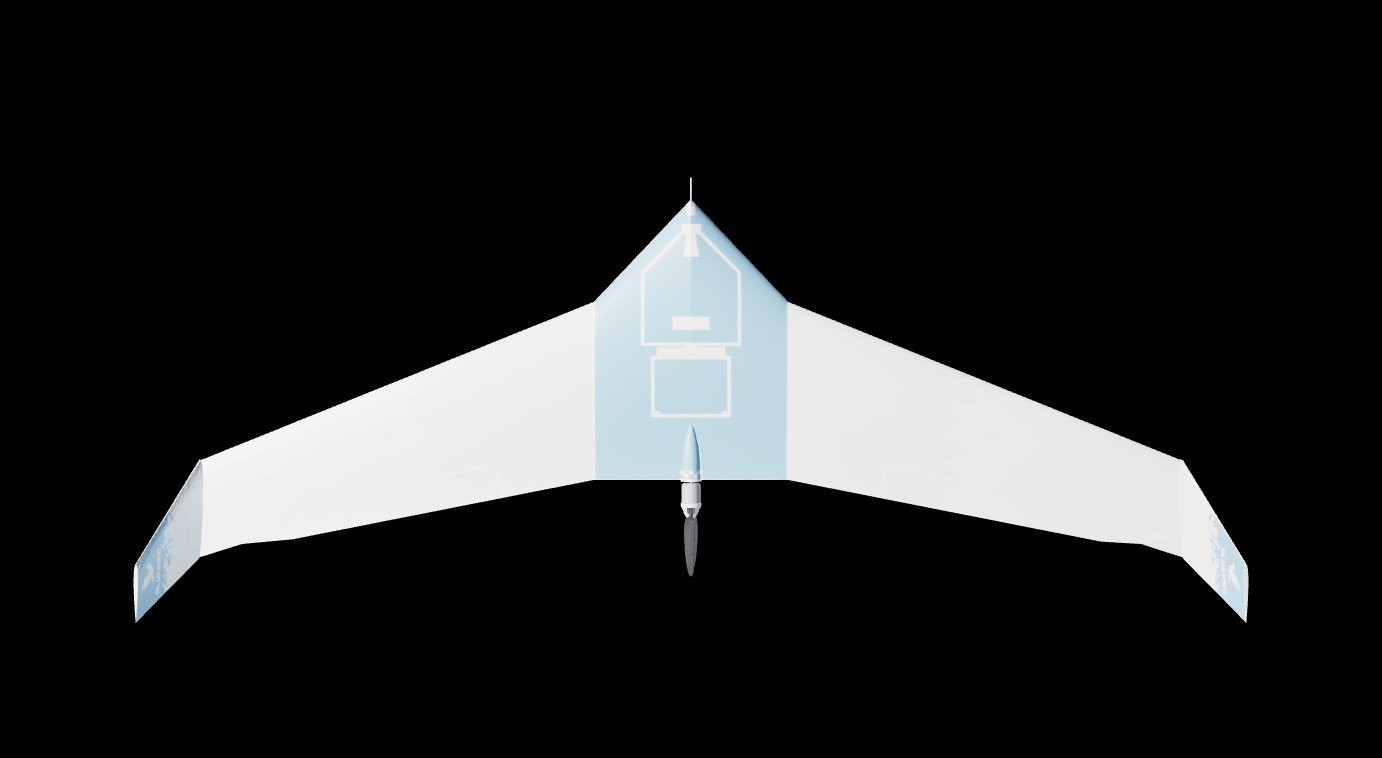
BLUEBIRD is a 1.8 m blended-wing drone for conservation and agriculture. An ordinary Android phone is its onboard computer, it plans where it will land before it takes off, and it is built from 3D-printed parts and foam using free tools.

↓
Glide · prop folded
01 / 03

System overview

BLUEBIRD

Span
1.8 m
Cruise
14 m/s
Survey altitude
100 m AGL

Phone brain

Computer
Android phone
Cameras
12 MP RGB + thermal
Autopilot
ArduPilot

Ground planner

Input
Open terrain data
Output
Mission + landing sites
Alerts
People near each site

Launch dolly

Release
Passive, by lift
Crosswind
Up to 3 m/s
Also
Hand + bungee launch
System online

Explore the aircraft. Open the airbrake. See the full system.

Design qualities

01 / 041
Phone as the brain

Conservation

Thermal and RGB surveys of wildlife over large, remote areas, with animal detection on board and landing sites chosen ahead of time.

Agriculture

Low-cost mapping of fields and pasture, repairable in the field and cheap enough for farms and data-scarce regions.

Launch, survey, land, repeat

Render. A 61-second film of a BLUEBIRD mission, built from the project's CAD, simulations and planner output. Not flight footage.

Status

Designed and simulated. Prototype construction next.

Next milestoneFirst prototype and supervised flight tests

Budget

≈ $1,850

Electronics and sensors
$1,081
Airframe materials and launch dolly
≈ $620
Spares (skids, props, servos)
≈ $150

Electronics are from the itemised parts list; airframe and spares are estimates. The Android phone is not included.

Support needed

  • A faculty research mentor
  • Funding, or in-kind parts: filament, foam cutting and a CNC-machined spar node
  • A flying field with an experienced safety pilot

What it will demonstrate

  1. Build. The airframe prints and assembles from the published CAD, within 2.69 kg.
  2. Bench. Balance, control throws, the phone-to-autopilot link and the autopilot's response with the phone unplugged.
  3. Flight. With a safety pilot on the sticks: stall and cruise speeds, the dolly launch, the airbrake approach and a landing-site failsafe, each checked against the predictions.